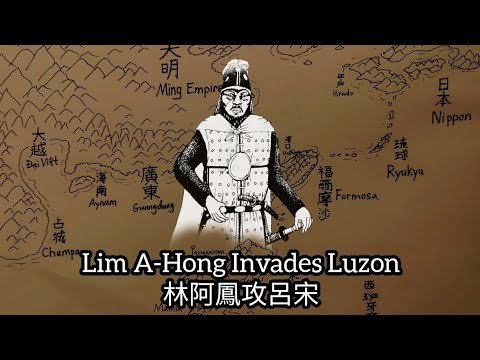
1574 anno domini. Bells toll. The people scurry around in a panic. Soldiers mobilize and militiamen are mustered. The Teochew Pirate Lord was sailing close, with his 60-70 warships, a few thousand seasoned pirates including the notorious Japanese Wako, and a heart full of ambition. This pirate lord, Lim A-hong, was here to take Manila.
1574年。公民跑來跑去。軍人和民兵調集。充滿野心的一位潮州海盜王和他的60-70軍艦(帶了幾千老海盜包括基本倭寇)快到了。這海盜王「林啊鳳」要來搶馬尼拉。
……………………
Asia is known for land empires, yet the Tamils, Omanis, Malays, and southern chinese armed-merchant / pirate groups once dominated the sea lanes. This story is not only a Filipino one, but crosses into Fujian, Taiwan, and Japan and played an important part in their histories. Today the CCP dominated Peoples Republic of China is flexing its muscles and contesting for control of the Asia-Pacific as well as challenging the maritime dominance, security arrangement and relatively liberal trade policies upheld by the United States of America. No matter where you lean politically, as you can see, it’s important for us to understand what those generations of merchants, pirates, and aspiring sea-lords knew: these straits, islands, the oceans and the overseas links, existing between the countries, are every bit as vital as the states themselves.
亞洲歷史上有名的國家都是陸地帝國。但 Tamil 泰米爾、Omani 阿曼人、馬來西亞人、和南漢(閩南、粵、等等)曾經控制大海。這故事不只是菲律賓的、但也對福建、台灣、和日本的歷史很重要。今天中共想在亞太地區建立霸權而且挑戰美利堅合眾國所堅持的海上優勢、安全安排和相對自由的貿易政策。不管你的政治偏見、我們也得去了解以前商人、海盜和有抱負的海王了解的…… 這些海峽、海島、海和海外鏈接、雖然在國家之間但根本就跟陸地上的國家一樣重要。
A shoutout to Alex Cheng as fact checker and historical and maritime consultant.
Edit: Scioco may come from Japanese 将校 Shōkō meaning officer. It could imply a Japanese command structure within the later Wokou/Wako era…
Please Like, share, subscribe, and follow me on Instagram @
The Wandering continues…
source